
 ★ 6.9Jumanji: The Next Level2019 · 123 min

The Intouchables
113 minHDFrance2011
A true story of two men who should never have met – a quadriplegic aristocrat who was injured in a paragliding accident and a young man from the projects.
▶ Film pageHDO
182 films from ten countries, each with its cast, its summary and a Watch now button.
United States
View all (30) ★ 7.6
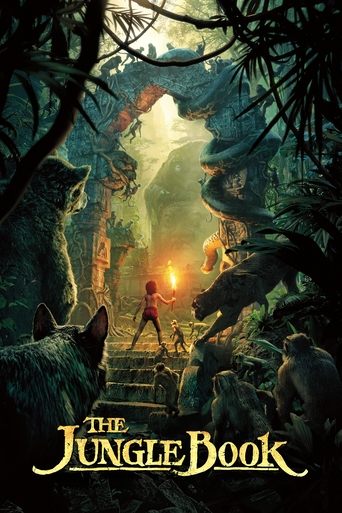 ★ 6.9
 ★ 7.2
 ★ 8.1
 ★ 6.9
United Kingdom
View all (28)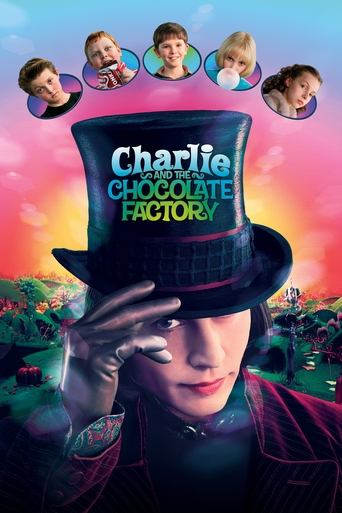 ★ 7.0
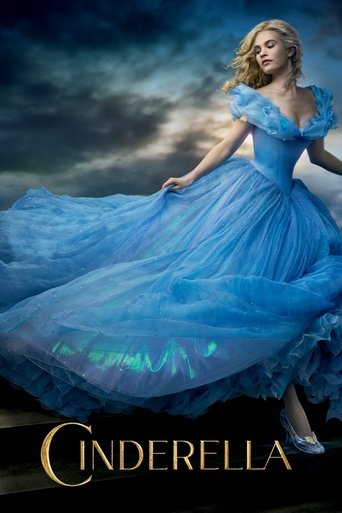 ★ 6.8
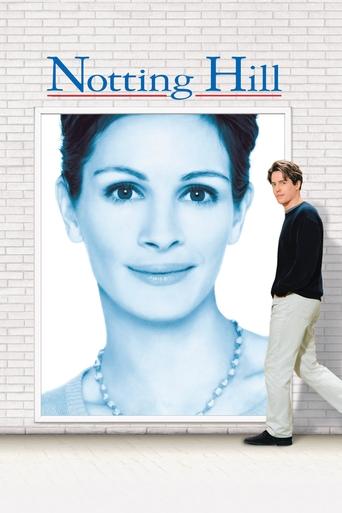 ★ 7.3
 ★ 6.4
 ★ 6.1
 ★ 7.4
Canada, Australia, Ireland and New Zealand
View all (20)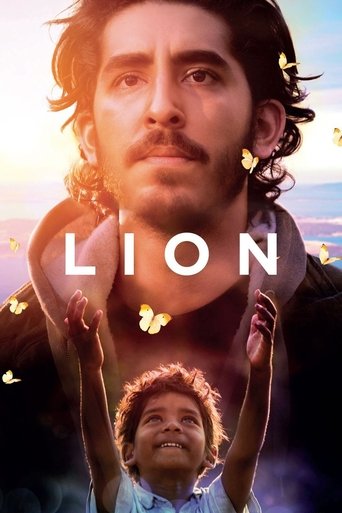 ★ 8.0
 ★ 7.4
 ★ 7.9
 ★ 7.6
 ★ 6.7
 ★ 7.5
France
View all (26) ★ 7.9
 ★ 7.4
 ★ 7.4
 ★ 7.7
 ★ 6.7
 ★ 7.0
India
View all (26) ★ 8.0
 ★ 7.9
 ★ 7.7
 ★ 7.4
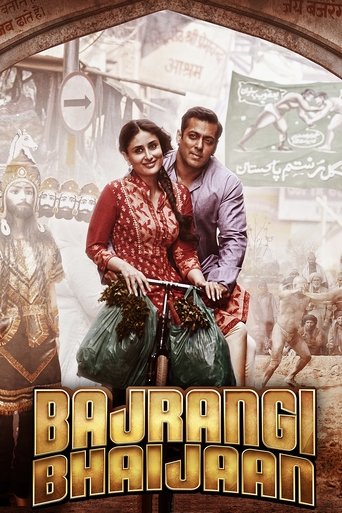 ★ 7.8
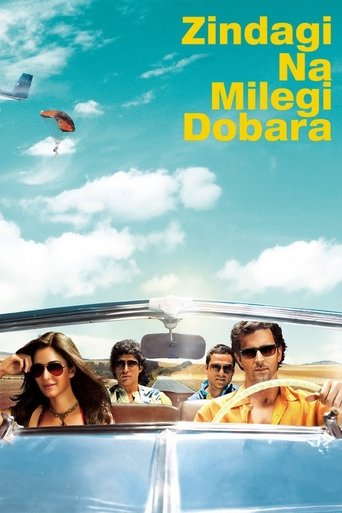 ★ 7.6
Korea
View all (24) ★ 7.0
 ★ 7.7
 ★ 7.6
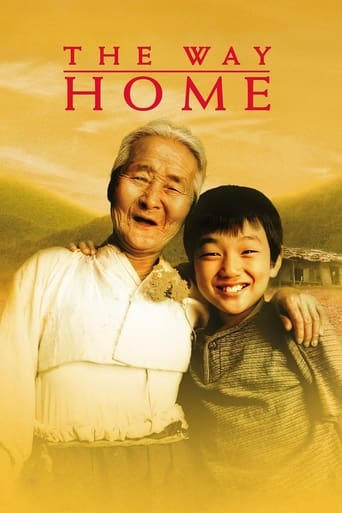 ★ 8.0
 ★ 7.2
 ★ 7.2
Japan
View all (28)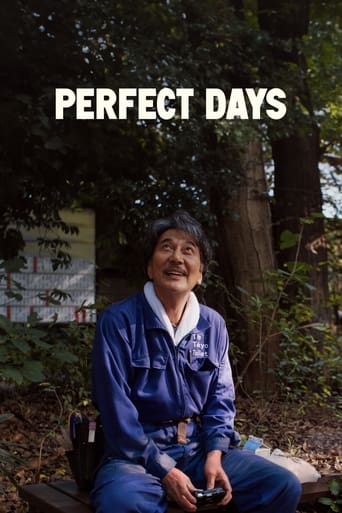 ★ 7.8
 ★ 7.5
 ★ 7.5
 ★ 7.2
 ★ 7.8
 ★ 7.9
The HDO guide to films by country
HDO: films by country, from Wonder and Notting Hill to The Intouchables, Dangal, The Way Home and Perfect Days
Most film guides ask what kind of story you are in the mood for. HDO asks a different question first: where would you like to go this evening? It is a guide to 182 films arranged by the country that made them, the United States, the United Kingdom, France, India, Korea and Japan, with a seventh shelf shared by Canada, Australia, Ireland and New Zealand. The films were made between 1983 and 2024 by 188 directors and run to 349 hours, in five languages. Every one has a page with its cast, its director, a summary in English, its rating and a button that leads to the official services where it can be watched.
The shelves are close to equal in size, so that each country has a fair hearing. There are thirty American films, twenty-eight British and twenty-eight Japanese, twenty-six French and twenty-six Indian, twenty-four Korean, and twenty from the four other English-speaking countries. All were chosen by hand for a household audience. Taken together, 112 are dramas, 111 are comedies, sixty-three are love stories, fifty-one are adventures or fantasies and thirty-seven are family films, with the usual overlap between groups.
The idea behind the arrangement is simple. A good film is the cheapest ticket abroad there is. In two hours you can sit at a lunch counter in Mumbai, walk the hills above a Korean village, or ride a bicycle through the back streets of Tokyo, and come away knowing something of how other people live, laugh and look after one another. This guide takes each country in turn, then looks at the catalogue by kind, and closes with questions and answers. The short page on how to watch with HDO covers the practical steps.
How HDO works
The page is dark grey and calm, so that the stills stand out. At the top left is the name with its khaki play mark, and at the right a search field. Under them runs a lighter grey bar of links: Home, Movies, then the countries, United States, United Kingdom, France, India, Korea and Japan, followed by Top rated, the A-Z index and My List. The link for the page you are on is filled with khaki gold.
The home page opens with a wide still from one featured film. A dark panel at its left carries the title in bold, four small labels giving the running time, the picture quality, the country and the year, a few lines of summary and a khaki button that opens the film's page. Below the still are seven rows, one for each country shelf, with six posters apiece. Each poster shows the rating in a khaki tag, and beneath it the title, the year and the running time. A film appears once on the page. The button at the right of each heading opens the whole shelf.
A film page has the same quiet order. Poster, title, year, running time, genres and rating come first. The summary is always in English, whatever language the film is spoken in. The director and the leading cast follow, each name a link to that person's other films on HDO. Beside the Watch now button is a menu of fifteen countries, including every country on the shelves. Choose where you live, press the button, and JustWatch opens with the subscription, rental, purchase and free services that carry the film there. Those services supply the subtitles and, often, a dubbed version; HDO is the map that shows you where to look.
The search field accepts titles, people and years. Type Omar Sy and two French films appear. Type Shah Rukh Khan and five Indian films line up. Type Yaguchi and you receive four comedies by the same Japanese director. The page on finding titles lists every route, the My List page explains the personal shortlist, and a note on subtitles and languages is there for anyone trying a film from abroad for the first time.
United States
The tour begins at home for many viewers. The American shelf has thirty films, most of them from the last dozen years, and it shows Hollywood doing what it does best: confident, well-made entertainment for a wide audience. Family adventure leads the way. The Jungle Book places one real boy among animals created entirely inside a computer, to astonishing effect. Jungle Cruise sends Dwayne Johnson and Emily Blunt up the Amazon in a leaky steamboat. Jumanji: The Next Level drops its players into a video game for a second time, The Croods follows a prehistoric family out of their cave, and Dumbo and Mary Poppins Returns give two classics a fresh coat of paint.
The highest rated American film here is Wonder, at 8.1, the story of a boy with a facial difference in his first year at school, with Julia Roberts and Owen Wilson as his parents. Hachi: A Dog's Tale, at 8.0, is an American telling of a famous Japanese story about a dog who waited every day at a railway station, and so makes a small bridge to another shelf. Chef is a warm comedy about a cook, a food truck and a ten-year-old son, and Big Eyes the true story of a painter whose husband claimed her work as his own.
Romance is well represented by Crazy Rich Asians, a glittering comedy set largely in Singapore, by The Longest Ride and by the teenage favourites To All the Boys I've Loved Before and The Kissing Booth. Two portraits of inventors, Steve Jobs and Joy, and the high-spirited The Fall Guy, a tribute to film stunt performers, complete a shelf that is easy to enjoy from end to end. The guide to the United States shelf picks out a first film for each mood.
United Kingdom
Cross the Atlantic and the tone changes: drier, more modest, fond of understatement and of rain. The British shelf has twenty-eight films. Its romantic comedies are known the world over. Notting Hill brings a film star into a travel bookshop in west London and lets its owner, played by Hugh Grant, fall in love with her. About a Boy gives Grant a different part, a contented bachelor whose life is rearranged by a twelve-year-old. One Day visits two friends on the same date for twenty years, and Man Up is a quick, funny story of a mistaken identity at a railway station that turns into the best date either party has had.
Britain is good at true stories told plainly. Eddie the Eagle follows the cheerful plasterer who became his country's only Olympic ski jumper. The Man Who Knew Infinity brings the Indian mathematician Ramanujan to Cambridge on the eve of the First World War; Dev Patel and Jeremy Irons play the young genius and the reserved professor who champions him. The Damned United is a portrait of a brilliant, quarrelsome football manager, Florence Foster Jenkins of a New York heiress who sang with more joy than accuracy, Stan & Ollie of a great comedy partnership in its last years, and The Lady in the Van of an elderly woman who parked on a writer's driveway and stayed for fifteen years.
Belfast, written and directed by Kenneth Branagh from his own childhood, sees the troubles of 1969 through the eyes of a nine-year-old who loves the cinema, his grandparents and a girl in his class. It is the most personal film on the shelf. Branagh also directed the handsome live-action Cinderella.
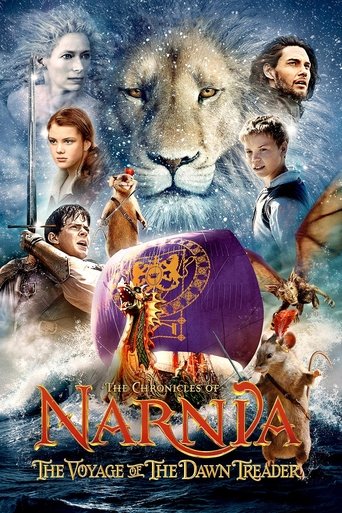
For families, the shelf offers two outings for Mr Bean, the bear from darkest Peru in Paddington in Peru, Charlie and the Chocolate Factory, filmed at a British studio with a largely British cast, and two voyages into fantasy, The Golden Compass and The Chronicles of Narnia: The Voyage of the Dawn Treader. Downton Abbey continues the television saga of a great house, and Far from the Madding Crowd sets Thomas Hardy's novel among the fields of Dorset. The guide to the United Kingdom shelf has more.
Canada, Australia, Ireland and New Zealand
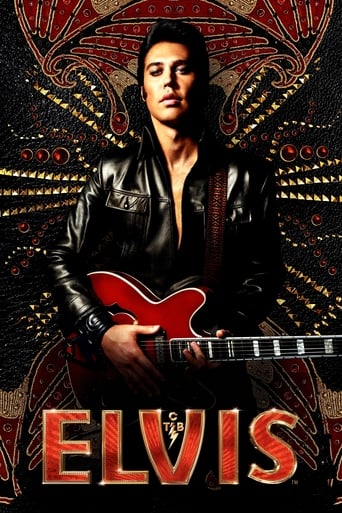
Four more English-speaking countries share a shelf of twenty films, made in or with those countries, and several are among the best in the catalogue. Australia contributes Lion, rated 8.0, the true story of a boy from India adopted by a couple in Tasmania who finds his first home twenty-five years later with the help of satellite maps; it could sit just as well on the Indian shelf. Elvis, Baz Luhrmann's dazzling life of the singer, was filmed in Queensland by a largely Australian crew.
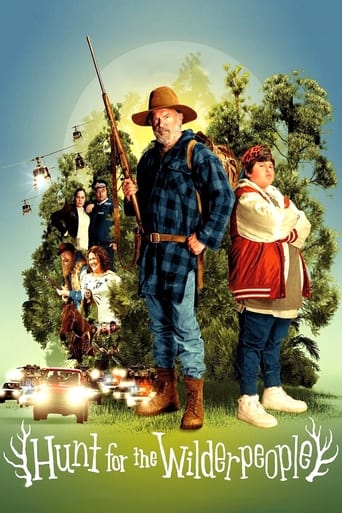
New Zealand sends two comedies of character. Hunt for the Wilderpeople, directed by Taika Waititi, follows a foster child and his gruff guardian as they vanish into the bush with half the country in pursuit. The World's Fastest Indian stars Anthony Hopkins as Burt Munro of Invercargill, who rebuilt an old motorcycle in his shed and rode it into the record books in his sixties. Both films have a generosity of spirit that seems to belong to the place.
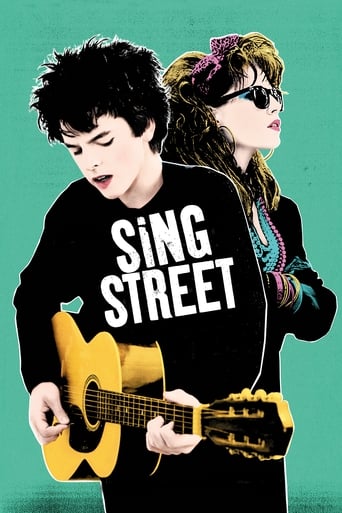
Ireland is represented by Sing Street, rated 7.9, about a Dublin schoolboy in 1985 who starts a band to impress a girl, and by Love & Friendship, a witty Jane Austen comedy filmed in Irish country houses. Canada supplies Maudie, made with Ireland and rated 7.8, the life of the Nova Scotia folk painter Maud Lewis; the Toronto romances What If and Little Italy; and the dance film Feel the Beat. Several American stories were filmed north of the border, among them The Greatest Game Ever Played and Air Bud. The guide to the four countries sorts the shelf by nation.
France
France has the oldest film industry in the world and the most devoted home audience in Europe, and its shelf of twenty-six films is led by the highest rated title on HDO. The Intouchables, at 8.3, is based on the real friendship between a wealthy Parisian left paralysed by an accident and the young man from the housing estates whom he hires, against all advice, as his carer. François Cluzet and Omar Sy are perfectly matched, and the film is funny from its first scene to its last. It was seen by nearly a third of the French population and went on to succeed around the world.
Amélie, at 7.9, is the other French film everyone knows. A shy waitress in Montmartre decides to improve the lives of the people around her by small secret acts of kindness, and in the process finds the courage to improve her own. Jean-Pierre Jeunet paints Paris in greens, reds and golds, and Audrey Tautou's performance made her a star. She appears again in Coco Before Chanel, as the young seamstress who would change the way women dress.
French popular comedy has a rich tradition, and it is well represented. Welcome to the Sticks sends a post office manager from the sunny south to the far north of the country, which he expects to be cold and gloomy, and lets the warmth of the people win him over; it broke every record at the French box office. The Bélier Family is about the one hearing member of a deaf farming family, a teenage girl who discovers a gift for singing; an American version of the same story later won the Academy Award for Best Picture. Two Is a Family, rated 7.7, stars Omar Sy as a carefree bachelor who becomes a devoted father overnight, and Sink or Swim gathers a group of middle-aged men into a synchronised swimming team.
Families will enjoy the four Asterix adventures, taken from the comic books that every French child grows up with. Asterix & Obelix: Mission Cleopatra is by common consent the funniest, with the two Gauls sent to Egypt to help build a palace in three months. The Extraordinary Adventures of Adèle Blanc-Sec follows an intrepid writer through the Paris of 1912, and Beauty and the Beast is a lavish telling of the fairy tale.
Three films show the range of French style. The Artist, made in black and white and told almost entirely in pictures, recreates the Hollywood of the late 1920s and won the Academy Award for Best Picture; it is the easiest of all French films for a newcomer, since there is so little to read. La Belle Époque offers a disillusioned man the chance to relive, on a film set built for the purpose, the day in 1974 when he met his wife. Paris Je T'aime strings together eighteen short love stories, each set in a different district of the city. The guide to the France shelf suggests where to begin.
India
India makes more films than any other country, and the twenty-six on this shelf, all in Hindi, are drawn from an especially good period, 2010 to 2019. They are generous films, usually well over two hours long, with songs woven into the story, and they are made to be watched by three generations together. The longest film on HDO is here: M.S. Dhoni: The Untold Story, the life of a cricket captain, at three hours and ten minutes.
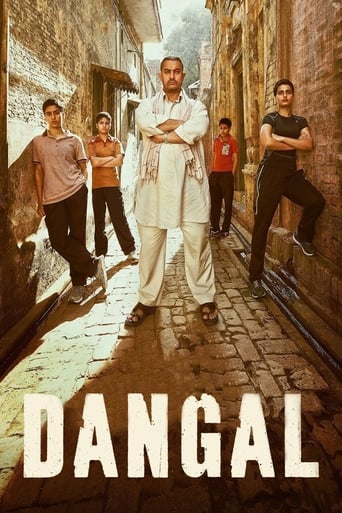
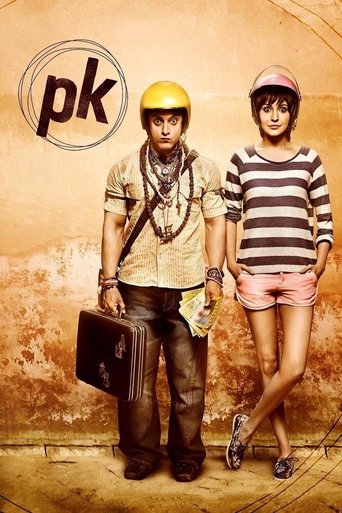
Dangal, rated 7.9, is the place to start. A former wrestler in a village in northern India, played by Aamir Khan, trains his two daughters to compete in a sport their neighbours think unsuitable for girls, and one of them goes on to win gold for her country. It is a true story, thrillingly told. Aamir Khan also stars in PK, a gentle satire in which a visitor from another world asks innocent questions about human beliefs. Bajrangi Bhaijaan, rated 7.8, follows a kind-hearted man across the border to Pakistan to return a lost child who is unable to speak, and My Name Is Khan, at 8.0, sends Shah Rukh Khan across America on a mission of his own.
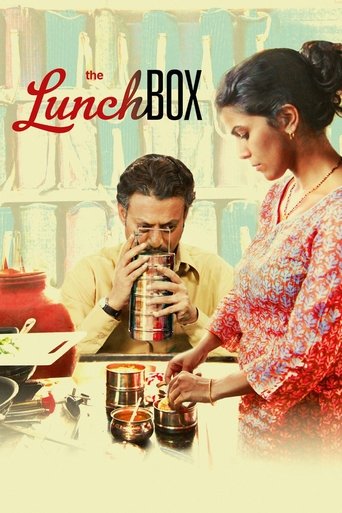
Alongside these great popular films is a group of quieter ones. The Lunchbox begins when a meal prepared by a young wife in Mumbai is delivered by mistake to a lonely office worker, and a correspondence starts in the returning tins. Piku puts a daughter and her fussy father in a car from Delhi to Kolkata. Queen follows a young woman who takes her honeymoon alone after her wedding is called off, English Vinglish a mother who secretly enrols in a language class, and Udaan a teenager who wants to be a writer. Barfi! is nearly a silent comedy, and Hindi Medium a sharp, funny look at parents competing for school places.
The rest of the shelf has journeys and music: three friends on the roads of Spain in Zindagi Na Milegi Dobara, a train to the south in Chennai Express, a young rapper from the lanes of Mumbai in Gully Boy, and the sprinter Milkha Singh in Bhaag Milkha Bhaag. The guide to the India shelf offers a first film for newcomers.
Korea
Korean cinema is famous abroad for its thrillers, but at home its best-loved films are often tender comedies and family dramas, and those are the twenty-four on this shelf. The finest is The Way Home, rated 8.0. A seven-year-old from Seoul, used to fried chicken and video games, is left for the summer with his grandmother, who lives in a mountain hut, is unable to speak and has spent her whole life far from any city. He is rude to her; she is endlessly patient; and by the time his mother returns, he has learned something he will keep for life. The grandmother was played by a village woman who was new to the cinema herself.
Friendship across difference is a favourite Korean subject. Inseparable Bros, rated 8.2, is based on two real men, one with a brilliant mind and a body he is unable to move, the other with a champion swimmer's strength and the understanding of a child, who lived for twenty years as brothers. Marathon tells the true story of a young man with autism who trains for a long-distance race, and Punch pairs a troubled schoolboy with the gruff teacher who happens to live next door. A Brand New Life, drawn from its director's own childhood, follows a nine-year-old girl left at an orphanage in 1975.
Comedy is broad and good-natured. In Scandal Makers, a smooth radio host learns in a single afternoon that he has a grown daughter and a grandson. The Foul King stars Song Kang-ho, later known worldwide, as a timid bank clerk who becomes a masked wrestler by night. Cyrano Agency is about a company that stages perfect romantic encounters for shy clients, and The Princess and the Matchmaker sets its love story at a royal court.
For spectacle there are Space Sweepers, a colourful adventure about a crew collecting debris in orbit and the child they find among it, and EXIT, in which two former members of a university climbing club scale the buildings of a city to stay above a rising cloud of gas; it is tense, funny and rated 7.6. The animated Red Shoes and the Seven Dwarfs turns a fairy tale upside down. Gentle romances such as Josée, Ditto, Unforgettable and Microhabitat, about a young woman who gives up her flat to keep the small pleasures she values most, complete the shelf. The guide to the Korea shelf lists them by mood.
Japan
The Japanese shelf, twenty-eight films, may be the most restful place on HDO. Japanese film-makers have a gift for finding drama in ordinary days, and many of these films are about work done well, meals shared and seasons passing. Perfect Days, rated 7.8, follows a man who cleans the public toilets of Tokyo with complete care, listens to old cassette tapes in his van and photographs the light through the trees at lunchtime. Very little happens, and it is hard to look away. Koji Yakusho won the best actor prize at Cannes for the part.
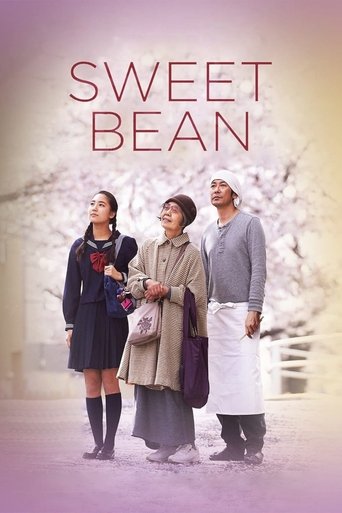
Sweet Bean is about a small pancake stall and the elderly woman who asks for a job there and turns out to make the finest bean paste anyone has tasted. Every Day a Good Day follows a young woman through twenty-four years of weekly tea ceremony lessons. Little Forest: Winter/Spring is set in a mountain village where a young woman cooks what the season provides, and Kamome Diner in Helsinki, where a Japanese woman opens a café and waits calmly for customers. The Great Passage spends fifteen years with the editors of a dictionary.
A very different tradition is the school club comedy, and its master is the director Shinobu Yaguchi, who has four films here. In Waterboys, five boys form a synchronised swimming team for the school festival. In Swing Girls, rated 7.9, a class of bored girls discovers big band jazz. Wood Job! sends a city teenager to train as a forester, and Survival Family has a Tokyo family cycle across the country after the electricity stops. Linda Linda Linda, by another director, follows four girls rehearsing rock songs for a school concert, and Flying Colors a failing pupil who sets her sights on a famous university.
Family is at the heart of several classics. Kikujiro sends a loud, lazy man and a quiet boy on a summer journey to find the boy's mother. I Wish, directed by Hirokazu Kore-eda, is about two brothers living in different cities who believe a wish will come true at the spot where two bullet trains pass. Tokyo Family follows an elderly couple visiting their busy grown children, Bunny Drop a bachelor who takes in a six-year-old relative, and Always - Sunset on Third Street the neighbours of one Tokyo street in 1958.
The shelf also holds a few surprises: Love Letter, a much-loved romance that begins when a letter to a lost fiancé receives a reply; Welcome Back, Mr. McDonald, a comedy set during a live radio play that goes hilariously off script; two ingenious low-budget time-travel comedies, Summer Time Machine Blues and Beyond the Infinite Two Minutes, the second only seventy minutes long; and Antarctica, from 1983, the oldest film on HDO, about the sled dogs of a polar expedition. The guide to the Japan shelf arranges them by kind.
The catalogue by kind
Once the countries are familiar, it is rewarding to cut across them. Comedy is the most revealing. The French laugh at regional pride and family holidays, the Indians at officialdom and pompous elders, the Japanese at earnest amateurs trying their best, the British at embarrassment, and the Americans at fathers. Yet a viewer who enjoys Welcome to the Sticks will probably enjoy Scandal Makers and Swing Girls too, because good humour translates. The guide to comedy around the world pairs films from different shelves.
Drama shows how much is shared. Fathers pushing their children too hard, or learning to let go, appear in Dangal, Two Is a Family, Belfast and Kikujiro. Grandparents anchor The Way Home, Tokyo Family and Piku. Young people choosing their own path are the subject of Udaan, Sing Street, Flying Colors and The Bélier Family. The guide to drama around the world follows these threads.
Thirty-seven films are marked for family viewing. Those in English are free of subtitles and suit the youngest; the animated Red Shoes and the Seven Dwarfs and the Asterix films are good first steps into subtitles or a dubbed track, since their stories are easy to follow from the pictures alone. Older children who read comfortably can enjoy almost anything on the Japanese shelf. The family viewing guide sorts the films by age and by language.
Food on film
Follow almost any country's cinema for long enough and you arrive at the table. Food is the easiest way into another culture, and HDO has a small feast of films about cooking and eating. Chef is the American entry: a restaurant cook rediscovers his love of the work by selling pressed sandwiches from a truck, and the camera lingers over every sizzle. From India, The Lunchbox makes a love story out of home cooking carried across a city, and its heroine seasons each dish according to the advice of a neighbour heard through the ceiling.
Japan contributes most. Sweet Bean treats the slow simmering of bean paste as an act of attention close to prayer. Little Forest: Winter/Spring is built from recipes, each one cooked from what its heroine has grown, gathered or preserved. In Kamome Diner, rice balls made the way her father made them slowly win a Japanese café owner the trust of a Finnish city, and The Chef of South Polar is a comedy about the cook at an Antarctic research station who keeps seven homesick men cheerful for a year with whatever is in the freezer.
France, of all countries, is represented here chiefly by picnics, wedding banquets and the wild boar that Obelix dreams of, and Canada by the two rival pizzerias of Little Italy. A household that enjoys these films might go one better and cook along: a Cuban sandwich for Monday, a tin of spiced vegetables for Tuesday, a bowl of rice and pickles for the weekend.
Sport around the world
Every country has its game, and its films about it. India's shelf is the richest. Dangal and Sultan are set in the mud wrestling pits of the north, Bhaag Milkha Bhaag on the running track and M.S. Dhoni: The Untold Story on the cricket field, where a ticket inspector from a small town rises to lead the national side to a world title. All four are drawn from real careers or closely modelled on them, and all four treat sport as a way out and a way up.
Britain prefers the gallant outsider, as in Eddie the Eagle, or the sharp-tongued professional, as in The Damned United. France finds comedy in a team of out-of-condition men who take up synchronised swimming in Sink or Swim, an idea Japan had explored with schoolboys in Waterboys. Korea offers Marathon and the masked hero of The Foul King. From the four countries come the golf of The Greatest Game Ever Played, the land speed record of The World's Fastest Indian and the endurance race of Arthur the King, in which a stray dog joins a team of adventure racers and refuses to leave them.
Music from seven shelves
Music crosses borders even more easily than food. Sing Street is a film about pop songs written in a Dublin bedroom, and its tunes are good enough to hum for days. Elvis tells an American story with Australian flair. Japan has its school bands in Swing Girls and Linda Linda Linda, and France the shy farm girl of The Bélier Family who sings to parents who will only ever see her do it.
In India, song is part of nearly every film, but two on the shelf are about musicians. Gully Boy follows a college student from a crowded Mumbai neighbourhood into the city's rap scene, and Rockstar a young singer whose fame grows as his happiness shrinks, to a celebrated score. The American shelf adds the college singers of Pitch Perfect 2 and its sequel. A viewer who listens as well as watches will come away from HDO with a playlist as varied as the catalogue.
More from each shelf
Each country shelf has pleasures beyond its headline titles. In France, Heartbreaker is a stylish caper about a man paid to rescue women from unsuitable fiancés, set against the sea at Monaco. Love at Second Sight wakes a successful novelist in a world where he and his wife are strangers, so that he must win her all over again, and A Little Something Extra, the surprise French hit of 2024, hides two men on the run in a holiday camp for young adults with disabilities and lets the campers teach them a thing or two. The Tuche Family and Camping show how the French laugh at themselves on holiday.
In India, Yeh Jawaani Hai Deewani is the great youthful romance of its decade, moving from a trek in the Himalayas to a wedding in a lakeside palace. Dear Zindagi treats the subject of talking to a counsellor with openness and warmth. Pad Man and Toilet: A Love Story turn public health campaigns into popular entertainment, and Kapoor & Sons gathers a quarrelsome family around a grandfather's ninetieth birthday. OMG: Oh My God! is a courtroom comedy in which a shopkeeper takes his complaint to the very top.
In Korea, Vanishing Time: A Boy Who Returned is a fairy tale about a girl whose friend disappears for a few days and comes back as a grown man. A Man Who Was Superman follows a television producer who meets a stranger convinced he is a hero and gradually sees that, in his small way, he is. My Tutor Friend and Cheese in the Trap are campus comedies, and A Millionaire's First Love sends a spoiled heir to a country school.
In Japan, The Taste of Tea spends a spring with a family in which every member, from the grandfather to the small daughter, is quietly preoccupied with something marvellous. Hula Girls tells the true story of a northern coal town that reinvented itself in 1965 by opening a Hawaiian resort and teaching miners' daughters to dance. Rent-a-Cat is about a woman who lends cats to lonely people from a handcart, A Story of Yonosuke about a good-natured student remembered fondly by everyone he met, and It's a Summer Film! about a schoolgirl determined to shoot her own samurai picture before the holidays end.
True stories from every country
Films drawn from real lives appear on every shelf, and they often make the best introduction to a place. France has The Intouchables and Coco Before Chanel. India has the athletes already described and the inventor of Pad Man. Korea has Inseparable Bros and Marathon, Japan Hula Girls and the abandoned sled dogs of Antarctica, who survived a polar winter alone. Britain has its mathematician, its ski jumper, its football manager and its lady in a van. The four countries supply Lion, Maudie and The World's Fastest Indian, and the United States Steve Jobs, Joy and Big Eyes. Read a little about the real events afterwards and the film will stay with you longer.
Cities and landscapes
Part of the appeal of a catalogue arranged by country is the scenery. Paris appears in a dozen moods, from the painted Montmartre of Amélie to the grand boulevards of The Intouchables and the eighteen neighbourhoods of Paris Je T'aime. London is the setting of Notting Hill, About a Boy and Man Up, Belfast of the film that bears its name, and Dublin of Sing Street. Mumbai fills the screen in The Lunchbox and Gully Boy, Delhi in Queen and Hindi Medium, and the roads between Indian cities in Piku and Chennai Express.
Tokyo is seen from street level in Perfect Days, in the year 1958 in Always - Sunset on Third Street and from the suburbs in Tokyo Family. Seoul is climbed, building by building, in EXIT. Away from the cities, the films offer the snowfields of Hokkaido in Love Letter, the cedar forests of Wood Job!, the mountain villages of The Way Home and Little Forest: Winter/Spring, the bush of New Zealand, the Tasmanian coast of Lion and the wheat fields and fishing coves of Nova Scotia in Maudie. It is quite possible to choose a film simply by where you would like to spend two hours.
Children at the centre
Some of the most memorable films on HDO see the world from a child's height. In The Way Home it is a spoiled seven-year-old; in I Wish, two brothers and their friends planning a secret journey; in Kikujiro, a boy with a rucksack and an unreliable guardian. Belfast is remembered through a nine-year-old, and A Brand New Life through a girl of the same age who is sure her father will come back for her. Wonder gives its ten-year-old hero the first word and lets his classmates have their say in turn.
India's Bajrangi Bhaijaan turns on a six-year-old who says hardly a word and steals every scene, and Udaan on a teenager and the small half-brother he learns to protect. France's Two Is a Family is told as much by a bright eight-year-old as by her father. Child actors in these films are often remarkably natural, perhaps because directors in every country have learned the same lesson: give children real things to do, and let the camera wait.
For parents, these films are a gentle way of showing children how their contemporaries live elsewhere, which games they play, what they eat for lunch, how their schools look. For children, they are simply good stories about people their own age. Either way they are among the surest choices in the catalogue, and most carry ratings well above 7.0.
Watching with subtitles
Just over half of the films on HDO are spoken in a language other than English, and for some households that is a new experience. It is an easy step for everyone. Subtitles take about ten minutes to get used to; after that most viewers forget they are reading. The services reached through the Watch now button supply the subtitles, usually in several languages, and many also offer a dubbed soundtrack, which can be the better choice when younger children are watching.
A few films make particularly easy starting points. The Artist is told in pictures and music. The Way Home has a grandmother who is silent and a story that could be followed with the sound off. Perfect Days and Barfi! have long passages with hardly a word. Comedies with plenty of physical humour, such as Waterboys or the Asterix films, carry a viewer along whatever the language. And a familiar story helps: anyone who has seen an English-language musical about a hearing girl in a deaf family will recognise The Bélier Family at once.
There is a quiet pleasure, too, in hearing other languages spoken well. After a few French films the rhythm of the speech becomes familiar; after a few Hindi films, certain words and gestures do. Children pick this up faster than adults, and a household that makes a habit of one film from abroad each week will find the world a little smaller and friendlier by the end of a year.
The top rated shelf
Thirty-six films hold a rating of 7.5 or higher from at least a hundred voters, and every country shelf contributes. The Intouchables leads at 8.3, followed by Wonder at 8.1. Four films stand at 8.0: Lion, The Way Home, Hachi: A Dog's Tale and My Name Is Khan. Four more are at 7.9: Amélie, Swing Girls, Dangal and Sing Street.
At 7.8 come Love Letter, Perfect Days, Little Forest: Winter/Spring, Bajrangi Bhaijaan and Maudie, and at 7.7 Two Is a Family, PK, Red Shoes and the Seven Dwarfs and The World's Fastest Indian. Japan has nine films on the shelf and India eight, which says something about how warmly their audiences rate the films they love. A rating is an average of many opinions and is best used as a first hint; the summary on each page will tell you whether a film suits your evening. The top rated guide has the complete list.
Faces to follow
Each shelf has its familiar faces. In France, Omar Sy appears in The Intouchables and Two Is a Family, Audrey Tautou in Amélie and Coco Before Chanel, and Gérard Depardieu in all four Asterix films as the large and loyal Obelix. In India, Shah Rukh Khan has five films on the shelf and Aamir Khan two of the very best; Deepika Padukone, Anushka Sharma, Ranbir Kapoor and Irrfan Khan each appear several times. In Britain, Hugh Grant has three films, and Dev Patel links two shelves with Lion and The Man Who Knew Infinity.
Among directors, Shinobu Yaguchi leads with four Japanese comedies. Kenneth Branagh, Jon Favreau, Tim Burton, Zoya Akhtar, Gauri Shinde, Imtiaz Ali, Naoko Ogigami and Shuichi Okita have two films each. Following a director is an especially good way to explore a country you know little about, since their films tend to share a temperament: Ogigami's are calm and gently odd, Akhtar's are sociable and well travelled, Yaguchi's are full of cheerful effort. Every name on a film page is a link.
A world tour in seven evenings
The simplest way to use HDO is to take one film from each shelf in a week. A possible programme: on Monday, Chef from the United States, for an easy start. On Tuesday, Notting Hill from the United Kingdom. On Wednesday, Hunt for the Wilderpeople from New Zealand. On Thursday, The Intouchables from France. On Friday, with time for a long film, Dangal from India. On Saturday, The Way Home from Korea, which is short enough to leave time for talking afterwards. And on Sunday, Swing Girls from Japan, to end the week with music.
A second week might go deeper: Wonder, Belfast, Sing Street, Amélie, The Lunchbox, Inseparable Bros and Perfect Days. A third could be chosen entirely by the children. The average film on HDO runs for an hour and fifty-five minutes, though the Indian titles are longer and several Japanese ones shorter. Add your choices to My List as you read, and the week is planned.
A film page in detail
Take The Lunchbox as an example. The poster shows a man at a desk opening a stack of steel tins. Beside the title are the year 2013, a running time of 104 minutes and a rating of 7.4. The summary explains that a mistaken delivery in Mumbai's famously reliable lunch service connects a young housewife with an older man in the last weeks before his retirement, and that the two begin to exchange notes. Ritesh Batra is credited as director, and Irrfan Khan, Nimrat Kaur and Nawazuddin Siddiqui lead the cast; pressing Irrfan Khan's name brings up his other films on the Indian shelf. Set the menu to where you live, press the khaki Watch now button, and the services offering the film there appear with their prices and their subtitle options.
Questions and answers
Questions
What is HDO?
HDO is a guide to 182 films arranged by the country that made them. Each film has a page with its cast, director, rating and a summary in English, and a Watch now button that opens the official services carrying it where you live.
Which countries are covered?
The United States, the United Kingdom, France, India, Korea and Japan each have a shelf, and Canada, Australia, Ireland and New Zealand share a seventh.
How do I watch a film?
From any film page, pick your country in the menu and press the khaki Watch now button. JustWatch opens with the subscription, rental, purchase and free services that currently have the film there.
Are the films in English?
Seventy-eight are spoken in English. The others are in French, Hindi, Korean or Japanese, and the services that carry them provide subtitles and often a dubbed version.
Which films are rated highest?
The Intouchables leads at 8.3 and Wonder follows at 8.1. Lion, The Way Home, Hachi: A Dog's Tale and My Name Is Khan are rated 8.0.
Is HDO suitable for families?
The films were chosen by hand for a household audience, and thirty-seven sit on the Family shelf. Each page carries a summary so that parents can judge a film for themselves.
Which film should I try first from another country?
The Intouchables from France, Dangal from India, The Way Home from Korea and Swing Girls from Japan are all easy to enjoy on a first visit.
How long are the films?
The average is an hour and fifty-five minutes. The shortest runs for seventy minutes and the longest, an Indian cricket biography, for three hours and ten minutes.
What is My List?
My List keeps the films you have chosen for later. It is held in your browser on this device, each press of the list button adds or removes a film, and the list page offers a file copy to keep.
Where does the information come from?
Posters, ratings, casts and production details come from TMDB. The guide on this page and the fifteen help pages are written by the HDO editorial team.
